An elevator control panel is central to how a commercial elevator responds, stops, levels, opens its doors, and communicates with other safety systems. When the controls become outdated, a building may see slower service, more shutdowns, and repair bills that become harder to predict.
There is no universal replacement date for every elevator control panel. A practical approach is to review its condition each year as part of maintenance and capital planning, then prepare for an upgrade when the equipment reaches the later part of its service life or shows clear performance, support, or compliance concerns. Southern Elevator notes that a well-maintained elevator commonly has a service life of about 20 to 25 years, although its controls may need attention sooner.
The Short Answer: Review Annually, Upgrade as Conditions Require
Commercial property owners should not wait for a complete failure to discuss an elevator control panel upgrade. During regular service, an elevator professional can track fault history, component wear, leveling accuracy, door performance, and parts availability. That information helps owners decide when continued repairs are still reasonable and when modernization offers a better path.
Age is a planning marker, not an automatic deadline. A lightly used elevator with supported components may remain dependable, while a high-traffic unit with obsolete electronics may need an earlier upgrade. Local code requirements and the scope of an alteration also affect the decision.
Why Age Alone Does Not Set the Schedule
Two elevators installed in the same year can age very differently. Daily trip volume, environmental conditions, maintenance history, electrical quality, door cycles, and prior repairs all affect control equipment.
The type of equipment also counts. Older relay-based controls can become difficult to troubleshoot as wiring and contacts age. Early solid-state systems may still operate, but replacement boards, software tools, or technical support can become scarce. A newer elevator control panel may offer better diagnostics and monitoring, yet it still needs consistent professional maintenance.
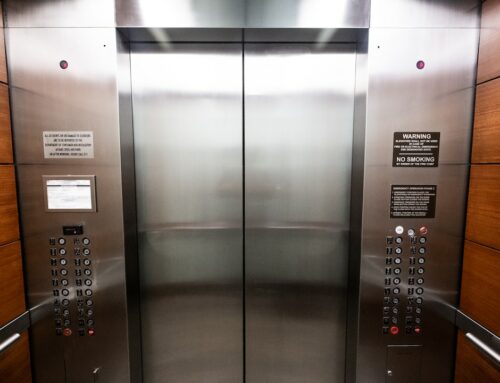
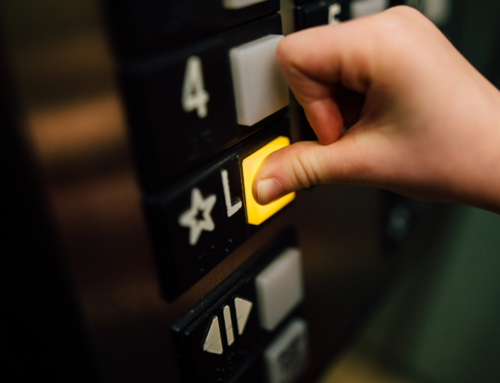
Owners should distinguish the main controller from the car operating panel passengers use. A modernization plan may address the controller, drive, fixtures, hall stations, wiring, indicators, emergency communication, or several items together. A qualified evaluation can identify the right scope.
Signs an Elevator Control Panel Upgrade Is Approaching
Repeated service calls are one of the clearest warning signs. If technicians are correcting the same faults, searching for discontinued parts, or relying on rebuilt components, repair costs can rise while downtime becomes less predictable.
Other warning signs include inconsistent floor leveling, delayed responses to calls, abrupt starts or stops, nuisance shutdowns, poor door coordination, and limited diagnostic information. Building owners may also discover that an existing elevator control panel does not integrate well with planned access control, monitoring, emergency communication, or fire service work.
Accessibility and code reviews deserve early attention. When an existing elevator is altered, requirements can apply to the upgraded elements and, in some cases, corresponding elements in elevators that answer the same hall call. The adopted code edition and local enforcement rules can vary, so a project should be reviewed before equipment is ordered.
Benefits of Planning Before a Failure
A planned elevator control panel upgrade gives the property team time to compare options, coordinate shutdowns, budget for related work, and communicate with tenants. It can also reduce the risk of an extended outage caused by a failed part that is no longer readily available.
Modern controls can support smoother acceleration and stopping, more accurate leveling, clearer fault diagnostics, and easier monitoring. Depending on the existing system and project scope, modernization may also improve dispatching and coordinate with updated drives, door equipment, fixtures, and safety devices.
Early planning can also limit piecemeal spending. If the controller, drive, fixtures, and communication equipment are all nearing replacement, a coordinated project may be more practical than isolated repairs. Southern Elevator develops tailored capital plans around the property, budget, and operational schedule.
How to Build a Practical Upgrade Plan
Start with an equipment assessment and maintenance record review. Ask for the age and condition of the controller, a summary of recurring faults, the status of manufacturer support, and the availability of critical replacement parts. The assessment should also identify related components that could limit the value of a new elevator control panel.
Next, compare near-term repair costs with the scope and benefits of modernization. Consider tenant traffic, acceptable downtime, future renovations, accessibility needs, and inspection requirements. At a multi-elevator property, phased work can keep service available while spreading capital costs.
Plan Your Elevator Control Panel Upgrade With Southern Elevator
The right upgrade date comes from the condition of the equipment and the needs of the building. Southern Elevator can inspect your system, explain the findings, and develop a modernization plan that fits your property and budget. Contact Southern Elevator to schedule an evaluation and take the uncertainty out of your next elevator control panel decision.
Frequently Asked Questions
How long does an elevator control panel usually last?
There is no single lifespan for every system. Maintenance quality, traffic, equipment type, operating conditions, and parts support all play a role. Owners should review controls annually and begin capital planning as the elevator approaches the later part of its service life.
Does an old control panel always need immediate replacement?
No. Age is one factor, but performance history, code concerns, parts availability, and repair frequency provide better guidance. An assessment can show if continued maintenance is practical or if an upgrade should move forward.
Can an elevator control panel upgrade reduce downtime?
It can. Modern controls often provide stronger diagnostics and replace obsolete components that cause repeated delays. Results depend on the condition of the full elevator system and the modernization scope.
Should control upgrades be completed across an entire elevator bank?
The answer depends on system design, project scope, and applicable accessibility and safety requirements. Elevators that share hall call programming may have related alteration requirements, so the full bank should be reviewed before work begins.